Showing posts with label H1N1. Show all posts

Wednesday, September 16, 2009

Wearing Of Masks Not The Only Measure To Prevent H1N1 Spread

By Zulkiple Ibrahim

KUALA LUMPUR, Sept 14 (Bernama) -- As the awareness on H1N1 influenza increases, more members of the public can be seen wearing masks in their efforts to check the spread of the H1N1 virus in the country.

They can be seen wearing the masks at public spots like hospitals, hypermarkets and shopping complexes.

"The culture of wearing face masks to prevent the spread of influenza and other respiratory diseases is good but the public should not make the practice as the only measure to curb the spread of H1N1 influenza," an officer of the Infection Control Division of a public health institution told this writer at a seminar on H1N1 here.

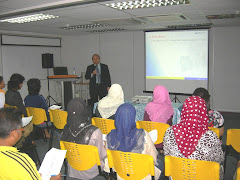
The officer is among the participants of the National A (H1N1) Influenza Pandemic Conference 2009 held last Sept 12. The day-long event was organised by the Malaysian Medical Association (MMA), Ministry of Health and Federation of Private Medical Practitioners Association of Malaysia (FPMPAM)

"Only those who are sick are required to wear the masks and people with H1N1 should not be outside of their homes, instead they went everywhere.

"They should be quarantined at home and this is to prevent them from spreading the H1N1 virus to others if they go to public places. At home they should wear masks as there are others such as their family members," she said.

The misconception is that people think that by wearing masks, even those who are sick can go to any place they like, said the officer.

"My advice to those who are sick is to stay home, impose self-quarantine as this helps to prevent H1N1 from getting to others," she added.

ONE METRE DISTANCE

"Stay at least 1.0 metre away from any individual with influenza-like symptoms. The use of masks could reduce the transmission. However if used incorrectly, may actually increase the risk," said Dr T.C. Lim, another participant at the seminar.

He said if masks are to be used, this measure should be combined with other general measures to help prevent the human-to-human transmission of H1N1 influenza.

Dr Lim said according to the World Health Organisation (WHO), among the other general measures are:

Refrain from touching mouth and nose;

perform hand hygiene frequently, by washing with soap and water or using a handrub especially if touching the mouth and nose and surfaces that are potentially contaminated;

reduce as much as possible the time spent in close contact with people who might be ill;

reduce as much as possible the time spent in crowded settings;

improve airflow in your living space by opening windows as much as possible.

stay at home if you feel unwell

WHEN TO WEAR MASKS?

According to Dr Lim, people are recommended to wear surgical masks when they have symptoms of respiratory infection or fever.

"Also, if you are looking after someone with respiratory infection symptoms and had came into contact with a person having respiratory infection symptoms.

"You have to wear masks when visiting friends or family members at hospitals, or visiting crowded and poorly-ventilated places," he said.

DO NOT RE-USE MASKS

Dr Lim advised the public to replace the masks with new, clean and dry masks as soon as they become damp or humid.

"Do not re-use the masks. Discard the used masks and dispose them immediately upon removing. Hands should be washed immediately after removal of the mask.

Wearing surgical mask is just one of the ways to prevent the spread of droplet and respiratory tract infections. The practice of good personal hygiene is important, he said.

"Even if you do wear a surgical mask, you should continue to maintain a high standard of personal hygiene because no mask can offer total protection," said Dr Lim.

MORE HARM THAN GOOD


Another seminar participant, who wished to be identified as Dr Wong said he noticed that people wear masks even with no one around.

He said the H1N1 virus is not airborne.

"To be considered an airborne virus, the microorganism would have to survive or remain in the air for long periods of time. The H1N1 virus does not stay airborne," said Dr Wong who is from a private medical centre here.

"I noticed many people wear masks in crowded places. However, places like airports, shopping malls and schools are full of germs. If only a small number of germs get into the holes in the mask, you will provide a breeding ground for them.

"This may lead to an infection. The moisture you produce in your mask is perfect for bacteria and viruses to grow," he said.

PREVENT EXPOSURE TO H1N1 VIRUS

The way to prevent exposure to H1N1 virus is to avoid physical contact with people who may be sick or infected. Also avoid commonly touched surfaces like escalator railings, poles and public toilet doorknobs.

The H1N1 virus usually spreads when someone touches surfaces with the virus and then touches his own nose, eyes or mouth.

Washing your hands frequently is the best defense against exposure.

"Wearing a mask is only good at helping you not to spread your illness to others if you are infected," Dr Wong added.

Sunday, August 30, 2009

Menurut kaji selidik - kematian akibat H1N1 ada kaitan dengan Obese

Aug 30, 2009

Researchers have discovered a possible link between obesity and an increased risk of dying from H1N1. — Reuters pic

PARIS, Aug 30 — Obesity has emerged as a possible contributing factor in fatal swine flu cases, according to ground-breaking research looking at deaths caused by the pandemic in countries around the world.

The claim is made by a team from the French Institute for Public Health Surveillance, which has studied the characteristics of 574 deaths associated with the pandemic H1N1 influenza up until the middle of July. According to the team’s findings, published in medical journal Eurosurveillance, underlying disease was found in at least half of all fatal cases.

Mortality patterns were in many cases similar to those associated with normal, seasonal flu. But the team observed: “Nevertheless two risk factors are noticeable: pregnancy and obesity.”

Pregnancy is already a well-documented risk factor in seasonal influenza and in previous pandemics. The study found that 16 women — representing 10 per cent of all female deaths that were studied — were pregnant or had recently delivered at the time of their death. Half of these also had other health issues. But the conclusion that obesity may be a factor in some swine flu deaths opens up a new line of investigation for epidemiologists. Where an underlying disease was found to be present after someone had died of swine flu, in more than one in four cases the deceased had a metabolic condition — diabetes and/or obesity.

The team, which concluded further research needed to be done to establish the link between obesity, severe influenza and mortality, also found significant demographic variations among those affected by the pandemic.

“Compared to younger age groups, the elderly seem to be protected from infection to some extent, perhaps due to previous exposure to strains akin to the H1N1 virus,” the team claim.

There has been a view that fatal cases involving the pandemic have tended to occur among the young, according to the team. And they found the average age of those who have died was 37. More than half of all deaths occurred among the 20- to 49-year-old age group. Overall, 12 per cent of deaths occurred in cases aged 60 years or more.

According to the latest update from the Health Protection Agency (HPA): “In the last seven days, cases reported globally have increased by 8 per cent and the number of deaths by 21 per cent.” However, the HPA suggested flu rates in England were now coming down.

Concerns remain, however, that infection rates will start to increase again come the autumn.

The French team warns: “The pandemic… is far from over, and deaths will unfortunately continue to occur. As in previous pandemics, available data show that age groups are not equally affected.” — The Observer

A(H1N1): Ragut mangsa ke-72, 280 disahkan positif - MStar


30 Ogos, 2009

Ketika negara berada di ambang kemerdekaan tetiba satu lagi kes mangsa Selsema Babi A(H1N1) dicatatkan menjadikan jumlah keseluruhan korban akibat wabak berkenaan meningkat kepada 72 orang.

Ketua Pengarah Kesihatan, Tan Sri Dr. Mohd. Ismail Merican dalam kenyataan hari ini memaklumkan bahawa mangsa terbaru merupakan seorang lelaki berumur 49 tahun dan bermasalah kesihatan hepar (hati).

Mangsa yang dimasukkan ke Hospital Melaka pada 13 Ogos dengan simptom demam dan batuk selesema selama dua hari serta muntah meninggal dunia pada 19 Ogos disebabkan oleh H1N1 dengan Sindrom Pernafasan Teruk Sistem Respiratori Strok (ARDS).

Beliau berkata, sehingga pukul 9 pagi ini, sejumlah 280 daripada baki seramai 1,515 pesakit yang sedang menerima rawatan kerana mempunyai gejala influenzalikeillness (ILI), disahkan positif H1N1.

Thursday, August 27, 2009

H1N1: Anda dapat mengubahnya - Surat dari pembaca Star

27 Ogos 2009

I REFER to the article “Many still complacent” in The Star on Aug 23.

I don’t see the A(H1N1) virus as the world’s top concern just yet, but I am very pleased with the precautions Malaysia has taken to fight against it.

The A(H1N1) is something we can prevent now before it becomes worse. It’s up to members of the public to make sure the spread of the deadly virus is halted. I see people are taking measures to control the spread, such as washing their hands and covering their mouths but they are not doing more than that.

It seems the main issue is the face mask.

I can understand why people don’t want to wear them; even I don’t wear one.

I think masks make us look strange, and they’re not that comfortable. After all, we are already doing all the other things to stop the virus. But if we are not taking one precaution, we may as well do away with other precautions.

I don’t think anyone likes changing his or her lifestyle but if it helps to save lives, then we should all start wearing the mask.

GEORGE HJ MERUSI,
Penang.

Wednesday, August 26, 2009

Wanita obese berusia 24 tahun korban terbaru, angka kematian kini 71


26 Ogos, 2009

PUTRAJAYA: Seorang wanita obese berusia 24 tahun menjadi mangsa ke-71 akibat wabak berkenaan setelah punca kematian disahkan adalah disebabkan oleh Influenza A (H1N1) dengan Sindrom Pernafasan Teruk Sistem Respiratori Strok (ARDS).

Menurut Ketua Pengarah Kesihatan, Tan Sri Dr Mohd Ismail Mercian, seramai 1,446 pesakit ILI sedang menerima rawatan di 98 buah hospital termasuk dua hospital swasta di seluruh negara.

Daripada jumlah itu, hanya 217 pesakit (15 peratus) yang disahkan positif H1N1.

"Dari 217 kes yang disahkan H1N1, 51 kes berada di ICU (Unit Rawatan Rapi) di mana sembilan kes merupakan kemasukan baru, sementara dua lagi kes dipindah keluar dari ICU," katanya dalam kenyataan media di sini, hari ini.

Dr Mohd Ismail berkata, daripada 51 kes yang sedang dirawat di ICU, 39 kes (76 peratus) mempunyai faktor risiko iaitu penyakit kronik (21), obesiti (sembilan), kanakkanak/bayi (enam), selepas bersalin (satu) dan Sindrom Down (dua).

Tuesday, August 25, 2009

H1N1: Kanak-kanak 3 tahun mangsa terbaru - MStar


25 Ogos 2009

KUALA LUMPUR: Seorang kanak-kanak berusia tiga tahun menjadi korban terbaru influenza A(H1N1), menjadikan jumlah kes kematian di negara ini seramai 70 orang.

Ketua Pengarah Kesihatan Tan Sri Dr Mohd Ismail Merican berkata kanak-kanak tersebut mendapat rawatan awal pada 12 Ogos di hospital kerana demam sawan serta batuk selama dua hari.

Bagaimanapun, beliau berkata, keadaan kanak-kanak malang itu semakin tenat pada 13 Ogos sehingga dimasukkan ke Unit Rawatan Rapi (ICU) dan rawatan Tamiflu dimulakan.

"Hasil ujian makmal mendapati kes positif influenza A(H1N1) pada 17 Ogos 2009.

"Walau bagaimanapun, beliau meninggal dunia pada 18 Ogos 2009 disebabkan 'Encephalitis with Cerebral Odema and Multiorgan Failure'," katanya dalam satu kenyataan di sini hari ini.

Selain itu, sejumlah 52 pesakit baru dengan gejala penyakit serupa influenza (ILI) telah dimasukkan ke hospital untuk rawatan manakala 162 pesakit ILI telah dibenarkan keluar, menjadikan baki sebanyak 1,345 pesakit ILI sedang menerima rawatan di 82 hospital di seluruh negara.

Dr Mohd Ismail berkata daripada jumlah pesakit yang sedang dirawat, hanya 202 atau 15 peratus disahkan positif H1N1 dengan 42 kes sedang dirawat di ICU.

"Daripada 42 kes yang sedang dirawat di ICU, 38 kes mempunyai faktor risiko iaitu penyakit kronik (15), obesiti (sembilan), diabetes (enam), kanak-kanak/bayi (tiga), hamil/selepas bersalin (tiga) dan sindrom down (dua)," katanya.

Monday, August 24, 2009

SAH: Guru SMK USJ12 korban A(H1N1) - MStar


PUTRAJAYA: Seorang guru wanita berusia 38 tahun daripada SMK USJ12 yang meninggal dunia pada 19 Ogos lalu menjadi korban terbaru virus H1N1 sekaligus menjadikan jumlah kematian akibat virus itu di negara ini meningkat kepada 69 orang, kata Menteri Kesihatan, Datuk Seri Liow Tiong Lai.

Katanya, mangsa sebelum itu telah mendapatkan rawatan di klinik swasta pada 13 Ogos selepas demam dan batuk selama dua hari.

Menurut Liow, daripada ujian segera yang dijalankan, mangsa turut didapati positif Influenza A dan diberikan rawatan simptomatik tanpa melibatkan rawatan antiviral Tamiflu.

"Lima hari selepas menerima rawatan untuk Influenza A, pesakit mendapatkan rawatan di hospital swasta pada 20 Ogos selepas mengalami sesak nafas secara tiba-tiba dan 'cyanosis'.

"Mangsa dirujuk ke Hospital Kuala Lumpur dan diberikan rawatan tamiflu, namun disahkan meninggal dunia pada 19 Ogos akibat pneumonia dan keputusan swab tekak pada 20 Ogos mengesahkan mangsa positif H1N1," katanya.

Liow juga berkata, 1,455 pesakit penyakit seperti influenza (ILI) sedang dirawat di 85 buah hospital, termasuk empat hospital swasta di seluruh negara.

"Daripada jumlah itu, hanya 285 pesakit disahkan menghidap H1N1, dengan 39 daripadanya dirawat di Unit Rawatan Rapi (ICU), termasuk dua kemasukan baru.

"Daripada 39 kes itu, 33 kes melibatkan pesakit yang berisiko iaitu penyakit kronik, obesiti, diabetes, kanak-kanak/bayi, penyakit respiratori kronik, postnatal dan Sindrom Down," katanya.

Thursday, August 20, 2009

Kaedah Mudah dan Praktik dalam Pencegahan H1N1

Contributed by Neo Kean Tean


Berikut adalah beberapa petua yang boleh dipraktikkan bagi pecegahan wabak Selsema H1N1:

1. Basuh tangan anda dengan seberapa kerap yang boleh

2. Kalau boleh, elakkan tangan anda daripada menyentuh muka atau hidung anda

3. Kumoh mulut anda dua kali sehari dengan air garam atau pun Listerine

4. Bersihkan hidung anda dengan air garam

5. Tingkatkan daya ketahanan badan anda dengan memakan buah-buahan yang bervitamin C

6. Minum air suam atau minuman panas seberapa banyak yang boleh dalam sehari

Selamat bernafas!


1. Frequent hand-washing (well highlighted in all official communications).

2. "Hands-off-the-face" approach. Resist all temptations to touch any part of face (unless you want to eat, bathe or slap).

3. Gargle twice a day with warm salt water (use Listerine if you don't trust salt). H1N1 takes 2-3 days after initial infection in the throat/ nasal cavity to proliferate and show characteristic symptoms. Simple gargling prevents proliferation. In a way, gargling with salt water has the same effect on a healthy individual that Tamiflu has on an infected one. Don't underestimate this simple, inexpensive and powerful preventative method.

4. Similar to 3 above, clean your nostrils at least once every day with warm salt water. Not everybody may be good at Jala Neti or Sutra Neti (very good Yoga asanas to clean nasal cavities), but blowing the nose hard once a day and swabbing both nostrils with cotton buds dipped in warm salt water is very effective in bringing down viral population.

5. Boost your natural immunity with foods that are rich in Vitamin C (Amla and other citrus fruits). If you have to supplement with Vitamin C tablets, make sure that it also has Zinc to boost absorption.

6. Drink as much of warm liquids as you can. Drinking warm liquids has the same effect as gargling, but in the reverse direction. They wash off proliferating viruses from the throat into the stomach where they cannot survive, proliferate or do any harm.

All these are simple ways to prevent, within means of most households, and certainly much less painful than to wait in long queues outside Govt. hospitals.

Happy breathing!!

Kumpulan yang dianggap berisiko tinggi terhadap H1N1


Most people who get influenza will recover in a few days to less than 2 weeks, but some people will develop life-threatening complications (such as pneumonia) as a result of the flu. For example, people with asthma may experience asthma attacks while they have the flu, and people with chronic congestive heart failure may have worsening of this condition that is triggered by the flu. So, it is important for us to identify anyone around belongs to the high risk group and should be taken extra care.

Individuals at risk for Severe Illness/Complications are as follows:

1. Children younger than 5 years old
2. Persons aged 65 years and older
3. Children and adolescent (less than 19 years old) on long term asprin therapy
4. Pregnant women
5. Adults and children with asthma, chronic obstructive pulmonary disease, organ failure, cardiovascular diseases, hepatic, hematologic, neurologic, neuromuscular, or metabolic disorders such as diabetes mellitus
6. Adults and children who are immunosuppressed (e.g., taking immunosuppressive medications, infected with HIV).
7. Residents of nursing homes and other chronic care facilities
8. Individuals who are obese

MOH advice people who belong to High Risk Group shall seek IMMEDIATE MEDICAL CARE, should they develop any influenza-like symptoms. Extra care should also taken to protect themself against infection.

Dapatkan informasi mengenai H1N1 melalui laman: www.h1n1.net.my

569 kes akibat Selsema H1N1 dikesan dengan 1 Kematian


20 Ogos, 2009

Kementerian Kesihatan melaporkan hari ini bahawa jumlah kes H1N1 yang dikesan semalam mencecah rekod sebanyak 569 dengan 1 kes kematian. Jumlah kematian akibat H1N1 meningkat kepada 68.

Menurut Ketua Pengarah Kementerian Kesihatan, Tan Sri Dr. Ismail, kes kematian semalam melibatkan seorang wanita berumur 33 tahun yang sedang hamil 34 minggu. Wanita tersebut dimasukkan ke sebuah hospital swasta di Johor Bahru pada 8 Ogos apabila mengidap batuk dan demam dan kemudian dipindahkan ke hospital kerajaan di mana dia di kesan mengidap H1N1 pada 14 Ogos.

Wednesday, August 19, 2009

Harga topeng H1N1 kini dikawal - Malaysiakini


Ogos 19, 09 8:00pm

Topeng penutup hidung dan mulut diisytiharkan sebagai barangan kawalan sementara berkuatkuasa serta merta dengan harga berkisar antara tujuh sen hingga RM6 seunit berdasarkan kualiti.

"Dalam keadaan sekarang, ramai orang perlukan topeng ini dan pihak berkuasa akan memantau perkara ini. Paling penting sekali ialah kerjasama orang ramai untuk melaporkan kepada pihak kementerian sekiranya ada kedai yang menjual lebih daripada harga yang ditetapkan," kata Menteri Perdagangan Dalam Negeri, Koperasi dan Kepenggunaan Datuk Seri Ismail Sabri Yaakob pada sidang media di kementeriannya di Putrajaya hari ini.

Beliau berkata kementerian boleh mengambil tindakan di bawah Akta Kawalan Harga 1946 di mana mereka yang didapati bersalah boleh didenda tidak lebih daripada RM15,000 atau dua tahun penjara atau kedua-duanya sekali.

Bagi syarikat yang ingkar pula boleh didenda tidak lebih daripada RM25,000, katanya.

Orang ramai boleh menelefon nombor bebas tol di talian 1 800 886 800 atau datang ke pejabat kementerian terdekat untuk membuat aduan sekiranya ada kedai yang menjual pada harga yang tinggi, katanya.

"Harga maksimum borong bagi satu kotak (100 keping) selapis bergelung ialah RM5 sekotak dan harga maksimum runcit ialah RM7 sekotak. Bagi dua lapis bergelung, harga maksimum borong ialah RM8 sekotak (100 keping) dan harga maksimum runcit ialah RM 10 sekotak iaitu 20 sen seunit.

Topeng 3 lapis

"Untuk tiga lapis bergelung, harga maksimum borong ialah RM25 sekotak (50 keping) dan harga maksimum runcit ialah 80 sen seunit. Bagi tiga lapis bertali, harga maksimum borong ialah RM 30 sekotak (50 keping) dan harga maksimum runcitnya pula ialah 80 sen seunit.

"Akhir sekali bagi jenis N95, harga maksimum borong ialah RM100 sekotak (20 keping) dan harga maksimum runcit ialah RM6 seunit," katanya.

Bagaimanapun, beliau mengingatkan pengguna bahawa Kementerian Kesihatan menasihatkan supaya tidak menggunakan topeng selapis dan dua lapis kerana ia tidak berkesan untuk mencegah penularan influenza A H1N1.

Apabila ditanya sama ada harga topeng yang ditetapkan itu adil, Ismail Sabri berkata para peniaga masih mampu mengaut keuntungan kerana keperluan bagi ramai orang adalah lebih penting daripada bilangan yang sedikit.

"Saya percaya (ia) adil kepada orang yang ditimpa kesusahan. Pada peniaga pun kita sudah ambil kira dari segi keuntungan yang mereka perolehi. Bukan tiada harga untung langsung. Kita pentingkan rakyat, rakyat didahulukan," katanya.

Mengenai kebanyakan farmasi yang tidak mempunyai bekalan topeng yang mencukupi, Ismail berkata ketika ini kerajaan di dalam proses untuk mengimport lebih banyak bekalan bagi memenuhi kehendak pasaran.

"Memang kami tahu bekalan tak cukup tapi kami sedang import. Selain itu, ini juga di bawah bidang kuasa Kementerian Kesihatan untuk mengimport topeng ini kerana kementerian kami tiada pakar untuk mengetahui kriterianya. Topeng ini merupakan barangan kesihatan," katanya. BERNAMA

Tuesday, August 18, 2009

Tun Mahathir: take H1N1 as a serious matter and take care of ourselves


Nasihat dari Tun Dr. Mahathir mengenai H1N1:


Laporan terkini 18 Ogos 2009

3 lagi kematian akibat H1N1 dicatatkan semalam menjadikan angka kematian meningkat ke 67.

Kematian semalam melibatkan seorang lelaki yang berusia 71 tahun, seorang budak perempuan berusia 10 tahun dan seorang perempuan berusia 33 tahun.

Monday, August 17, 2009

5 juta rakyat Malaysia diunjurkan akan mengidap selsema H1N1 - Utusan Malaysia


Menteri Kesihatan Malaysia, Dato Seri Liow Tiong Lai berkata, WHO menganggarkan lima juta atau 20 peratus rakyat negara ini berisiko dijangkiti virus influenza A (H1N1) jika orang ramai tidak mengambil serius langkah pencegahan bagi menghalang penularan virus itu.

Statistik itu berdasarkan kajian terperinci WHO mengenai kesan penularan luar biasa H1N1 terhadap sesebuah negara jika ancaman virus tersebut tidak ditangani secara berkesan dan menyeluruh.

Tiong Lai berkata, buat masa sekarang, Kementerian Kesihatan akan memfokuskan kepada aspek pencegahan dan rawatan khususnya terhadap pesakit-pesakit H1N1 yang terdiri daripada golongan berisiko tinggi.

“Kita akan terus mempergiatkan usaha menghebahkan langkah-langkah pencegahan dan kawalan H1N1 di media massa seperti mengadakan sesi forum dengan orang ramai bagi meningkatkan tahap pengetahuan serta kesedaran mereka,” ujar beliau.

Menurutnya, Kementerian Kesihatan mahu mengambil langkah yang praktikal dalam mencegah penularan wabak H1N1 di negara ini termasuk meminta orang ramai memberi kerjasama bersepadu kepada kerajaan dalam perkara tersebut.

“Saya yakin keadaan akan bertambah pulih sekiranya orang ramai mempunyai tanggungjawab yang tinggi dan tidak memandang remeh penularan wabak H1N1,” jelas beliau.

Beliau seterusnya menegaskan, individu-individu yang mempunyai gejala penyakit serupa influenza (ILI) seperti demam panas, selesema dan batuk perlu segera mendapatkan rawatan di hospital demi kesihatan diri.

“Mereka juga perlu prihatin dengan keselamatan orang lain dengan tidak menghadiri majlis-majlis terbuka dan berehat di rumah supaya virus penyakit tidak menjangkiti individu yang tidak berkenaan,” katanya.

Saturday, August 15, 2009

2 lagi mangsa influenza A(H1N1) pada 17 Ogos 2009


17 Ogos 2009

2 lagi orang menjadi mangsa H1N1 semalam menjadikan angka kematian akibat penularan wabak H1N1 meningkat ke 64 orang.


16 Ogos 2009


Kes kematian akibat H1N1 meningkat lagi kepada 62 orang apabila 3 lagi kematian dicatatkan. 283 kes baru telah dikesan dalam tempoh 24 jam menjadikan jumlah jangkitan meningkat kepada 3,857 setakat ini.

Menteri Kesihatan Dato' Seri Liow memberi amaran kepada mereka yan dijangkiti virus ini supaya mengasingkan diri dari orang ramai. Mereka yang engkar boleh didenda sehingga RM10,000 atau dipenjara sehingga 2 tahun jika membiarkan diri menjangkiti orang lain.

15 Ogos 2009

3 lagi kes kematian akibat H1N1 dilaporkan Menteri Kesihatan hari ini menjadikan jumlah kematian setakat ini meningkat ke 59.

Sebanyak 209 kes baru telah dikesan melibatkan mereka dalam kumpulan berisiko tinggi.

Beberapa kes terbaru telah diberitakan berlaku di sekitar bandar Ipoh dan orang ramai terutama warga OUM serta pelajar dan tutor adalah dinasihatkan supaya sentiasa berwaspada dan mengambil langkah berjaga-jaga. Jauhkan diri dari tempat kesesakan orang ramai dan gunakan topeng muka setiap masa. Jaga tahap kebersihan setiap waktu.

14 Ogos 2009

Kes Kematian : 5
Jumlah Kematian : 56

Untuk makluman, terdapat seramai 72 pesakit H1N1 sedang dirawat di wad dan 27 lagi dirawat di ICU. Daripada 27 kes yang berada di Unit Rawatan Rapi, 18 daripada mereka mempunyai faktor risiko iaitu penyakit kronik (10), obesiti (4),kanak-kanak (2), hamil (1) dan post-delivery (1). Terdapat sejumlah 5 kematian yang dilaporkan.

Empat(4) daripada kes kematian mempunyai faktor risiko, iaitu obes, diabetes dan TB paru-paru (1 kes ), Diabetes(1 kes) dan bayi (2 kes). Untuk makluman, 5 kematian tersebut berlaku pada 8 Ogos (1kes),11 Ogos (2 kes) dan 12 Ogos (2 kes).

Saturday, August 8, 2009

5 lagi mangsa Selsema A(H1N1) dilaporkan hari ini 14 Ogos menjadikan jumlah kematian meningkat ke 56


14 Ogos 2009

Kes Kematian : 5
Jumlah Kematian : 56

Untuk makluman, terdapat seramai 72 pesakit H1N1 sedang dirawat di wad dan 27 lagi dirawat di ICU. Daripada 27 kes yang berada di Unit Rawatan Rapi, 18 daripada mereka mempunyai faktor risiko iaitu penyakit kronik (10), obesiti (4),kanak-kanak (2), hamil (1) dan post-delivery (1). Terdapat sejumlah 5 kematian yang dilaporkan.

Empat(4) daripada kes kematian mempunyai faktor risiko, iaitu obes, diabetes dan TB paru-paru (1 kes ), Diabetes(1 kes) dan bayi (2 kes). Untuk makluman, 5 kematian tersebut berlaku pada 8 Ogos (1kes),11 Ogos (2 kes) dan 12 Ogos (2 kes).

13 Ogos 2009

Another seven people have died due to Influenza A (H1N1), all from the high-risk group, said Health Minister Datuk Seri Liow Tiong Lai.

Another 29 people have been admitted to intensive care units -- 16 of them from the high-risk group, he said.

12 Ogos 2009

There were six more Influenza A(H1N1)-related deaths reported on Wednesday, bringing the total number of fatalities in the country to 44.

The latest deaths involved a 10-month-old girl, a one-year-old boy, an 18-year-old pregnant woman, a 24-year-old man and two other men in their 60s, Health Minister Datuk Seri Liow Tiong Lai said here on Wednesday.


11 Ogos 2009

The death toll due to the Influenza A (H1N1) now stands at 38 with six more deaths reported over the last 24 hours.

Health director-general Tan Sri Dr Ismail Merican said new cases recorded also stood at all time high with 270 bringing the total number of cases to 2, 253.

10 Ogos 2009

Angka kematian akibat wabak H1N1 meningkat kepada 32 apabila 6 kematian lagi dicatatkan semalam. 203 kes baru telah dikesan di seluruh Malaysia dalam tempoh 24 jam yang lepas.

Sebuah sekolah di Putrajaya Persinct 9 telah menunjukkan teladan yang baik dengan memakai topeng mulut semasa exam. Gambar ehsan Malaysian Insider

Dr Ismail advised those who show symptoms and are in a high-risk group to immediately seek medical attention, adding that the anti-viral treatment had proven effective on patients who began treatment within 48 hours of showing symptoms.

High-risk groups include children who are below five years; senior citizens 65 years and above; children and youths under 19 who have been taking aspirin on a long-term basis; pregnant women; those who suffer from asthma, chronic lung disease, organ failure, cardiovascular, liver and blood system diseases; diabetics; obese people; and those with a low immunity.

9 Ogos, 2009


Terkini dari Kementerian Kesihatan melaporakn bahawa 8 lagi orang menjadi mangsa H1N1 semalam menjadikan angka kematian setakat ini meningkat kepada 26 orang. Dalam masa yang sama 53 kes baru telah dicatatkan.

Orang ramai digesa untuk memberikan kerjasama dalam membendung gejala ini dengan memakai topeng mulut dan menutup mulut ketika batuk dan bersin.

Panduan Memakai Topeng Muka (sumber dari blog Cina Islam):

1. Basuh tangan sebelum memakai dan selepas menanggalkan topeng muka.

2. Tetulang besi ialah bahagian atas

3. Arah lipatan mengarah ke bawah ialah bahagian luar

4. Letak getah topeng muka dengan kemas di belakang telinga (jika jenis tali ikat dengan kemas belakang kepala)

5. Topeng muka mesti menutupi hidung, mulut dan dagu

6. Tetulang besi hendaklah tekan mengikut bentuk hidung dan muka

7. Jangan sentuh permukaan topeng muka untuk mengelakkan pencemaran

8. Apabila menanggalkan topeng muka, elakkan menyentuh bahagian luar kerana bahagian ini kemungkinan mengandungi kuman

9. Buang topeng muka yang telah digunakan dengan melipat ke dalam bahagian luar atau bungkus dalam beg plastik sebelum buang dalam tong sampah.

10. Ganti topeng muka jika ianya rosak, basah atau berhabuk

Friday, August 7, 2009

Kematian H1N1 ke-15: PM isytihar ancaman serius

7 Ogos 2009 Oleh G. MANIMARAN


PETALING JAYA: Jumlah kematian akibat influenza A(H1N1) meningkat lagi dengan seorang lelaki berusia 40 disahkan meninggal dunia di Hospital Kuala Lumpur.

Dengan kematian itu, Malaysia telah merekodkan 15 kematian setakat pagi tadi.

Perdana Menteri, Datuk Seri Najib Tun Razak pula mengisytiharkan wabak A(H1N1) kini telah menjadi ancaman serius kepada negara dan menasihati orang ramai supaya tidak menghadiri majlis perhimpunan di tempat-tempat awam.

Beliau meminta semua rakyat mengambil langkah pencegahan secara menyeluruh ekoran angka kematian H1N1 meningkat kepada 14 sehingga semalam dan banyak sekolah dan institusi pendidikan tinggi ditutup kerana terdapat kes jangkitan.

"Kalau (majlis) perhimpunan itu tidak perlu, tidak perlulah melainkan ada sesuatu mendesak. Tapi bila ada perhimpunan, kita akan tambah risiko kita kerana penyakit ini akan merebak," kata beliau selepas merasmikan Konvensyen Industri Sukan Malaysia di ibu negara pagi tadi.

Selain menangguhkan kegiatan di kawasan umum, Najib yang dipetik Bernama berkata, langkah pencegahan daripada segi kebersihan boleh dilakukan seperti membasuh tangan dan memakai topeng terutama ketika berada atau hadir dalam majlis yang terbuka.

"Dari segi kesihatan kebersihan, kita hendaklah selalu mencuci tangan. Sebelum saya masuk tadi, saya telah cuci tangan sebab saya telah bersalaman dengan begitu ramai orang," kata Perdana Menteri.

Dalam pada itu, kenyataan Kementerian Kesihatan menjelaskan, kes kematian ke-15 melibatkan lelaki obes berumur 40 tahun.

Dia yang dimasukkan ke unit rawatan rapi Hospital Kuala Lumpur pada 3 Ogos 2009 kerana mengalami sesak nafas dan telah meninggal dunia kelmarin kerana Acute Coronary Syndrome with Cardiogenic Shock.

Mangsa mengalami demam dan batuk sejak 28 Julai lalu dan telah mendapat rawatan di klinik swasta pada 31 Julai lalu dan hospital swasta pada 2 Ogos sebelum dirujuk ke Hospital Kuala Lumpur.

Pesakit itu disahkan positif influenza A(H1N1) semalam iaitu sehari selepas kematian, kata kenyataan itu lagi.

Kenyataan itu menambah, sebanyak 33 kes baru influenza A(H1N1) dilaporkan hari ini.

Kesemuanya adalah kes tempatan dan di kalangan warganegara Malaysia.

Daripada 33 kes yang dilaporkan hari ini, 28 merupakan kejadian dari sembilan kluster baru dan lima adalah kes sporadik atau terpencil.

Jumlah terkumpul kes influenza A(H1N1) di Malaysia sehingga 8 pagi tadi adalah sebanyak 1,525 kes dengan jumlah kematian 15 orang.

Daripada 1,525 kes yang dilaporkan tersebut, 574 atau 38 peratus merupakan kes import dan 951 (62 peratus) kes jangkitan tempatan.

Thursday, August 6, 2009

Sebuah Kolej di Perak di arah tutup akibat H1N1

Ogos 6, 2009


Bernama hari ini melaporkan bahawa Maktab Rendah Sains Mara (MRSM) Pengkalan Hulu telah diarah tutup selama seminggu mulai hari ini apabila 24 orang pelajarnya disahkan mengidap penyakit H1N1.

Pengerusi Ahli Jawatan Kuasa Kesihatan Negeri Perak YB Datuk Mah Hang Soon berkata wabak penyakit semakin meningkat di Perak. Jumlah kes yang dikesan setakat ini di Perak adalah 90. Perak telah mencatatkan satu kes kematian akibat H1N1 baru-baru ini di Bagan Serai.

Orang ramai dinasihatkan agar sentiasa mengamalkan penjagaan diri yang bersih sepeti mencuci tangan serta menutup mulut ketika batuk dan bersin. Elakkan dari tempat orang ramai dan gunakan topeng muka setiap masa apabila berada di tempat awam.

Wednesday, August 5, 2009

Wabak Selsema H1N1 - Apa yang harus anda lakukan?

Ogos 6 2009


Laporan Terkini: 14 kematian setakat ini dan 16 kes baru dikesan. Sila pakai topeng muka untuk mencegah dari virus H1N1 untuk kebaikan anda dan semua. Elakkan dari tempat awam.

Berita yang dikeluarkan oleh Kementerian Kesihatan Malaysia setakat petang tadi 5 Ogos 2009 menunjukkan angka kematian di seluruh negara akibat wabak selsema H1NI adalah seramai 12 orang. Bilangan kes baru pada hari ini adalah sebanyak 16 kes tempatan.

Sejak laporan penyebaran wabak penyakit ini di negara kita sebanyak 1,476 kes telah dilaporkan. Angka ini dijangka akan meningkat kiranya langkah berjaga-jaga tidak diambil.

Tinjauan yang dibuat di sekitar pusat beli belah di Ipoh menunjukkan bahawa orang ramai tidak mengambil inisiatif untuk mengawal penyakit. Tiada seorang insan yang waras pun kelihatan memakai topeng mulut. Yang bersin dan batuk pula tidak menutup mulut serta tidak menggunakan sapu tangan atau kertas tisu. Ini menampakkan bahawa ramai yang masih memandang ringan mengenai kesan H1N1 ini ataupun mereka tidak tahu akan implikasinya.

Di OUM Perak pula sepanjang peperiksaan kelihatan hanya seorang pelajar sahaja yang memakai topeng mulut. Sebagai langkah berjaga-jaga, semua staf OUM Perak telah disuruh untuk menggunakan topeng mulut semasa berurusan di kaunter mahupun semasa mengawal peperiksaan.

Ingat sebelum kena. Orang yang berisiko tinggi termasuk yang obese (gemuk), yang mengidap penyakit asma serta mempunyai daya ketahanan badan yang rendah. Berikut adalah langkah-langkah berjaga bagi mencegah penyakit H1N1 sila layari laman web Kementerian Kesihatan Malaysia seperti berikut: http://h1n1.moh.gov.my/ atau:


Berita yang dipetik dari Malaysian Insider hari ini menyatakan bahawa wabak H1N1 ini tidak dapat dikawal lagi.

H1N1 can no longer be contained

A nurse from the California Nurses Association attends a rally to protest what nurses say are safety gaps in California hospitals preparation for an H1N1 pandemic. – Reuters pic

WASHINGTON, Aug 6 — Closing schools, stopping large gatherings and other such measures are unlikely to do much to prevent the spread of the H1N1 swine flu pandemic, a team of experts predicted yesterday.

They said pandemic closely resembles the pandemic of H2N2 influenza in 1957 when it quickly became apparent that there was little officials could do to stop it.

“Efforts to mitigate it were futile,” Brooke Courtney Center for Biosecurity at the University of Pittsburgh Medical Centre said in a telephone interview.

Federal officials are expected to announce their recommendations for school closures tomorrow. Local school districts and states usually make the decision to close schools, but they look to the federal government for advice.

At the height of the epidemic in May, more than 700 schools closed in the United States, according to the Department of Education.

In Mexico, where the pandemic started, officials closed government offices and schools for around two weeks in April and May, and encouraged businesses to close.

H1N1 is still circulating and, just as influenza did in 1957, it is dominating the mixture of viruses in the southern hemisphere’s flu season going on now.

In its latest update last week the World Health Organisation reported 162,230 confirmed cases and 1,154 deaths. But flu experts said this probably reflected only a fraction of the true count as not every patient can be diagnosed with a lab test.

Experts expect the flu will pick up activity in the northern hemisphere’s autumn and the WHO predicted one third of the world’s population — two billion people — will eventually be infected.

TOO WIDESPREAD

Governments are taking different approaches to slowing the spread of the virus. Last month, British experts on the spread of disease said closing schools at the first sign of a new pandemic might delay the worst so health officials can prepare, but cannot prevent the spread of the disease.

Writing in the journal Biosecurity and Bioterrorism, Courtney, Dr. DA Henderson and colleagues said it appears that the new H1N1 is now too widespread to try to stop.

“In 1957 it was decided pretty early on that efforts to quarantine or isolate people would not be effective,” Courtney said.

As happened this year, the virus first appeared in the northern hemisphere’s spring. It worsened in the fall. “The opening of schools in September appeared to be a major factor in initiating community epidemics,” the researchers wrote.

“Schools were not closed for the purpose of trying to control the spread of disease. They were closed because too many teachers or administrators or students were out,” Courtney said.

In 1957, 25 per cent of the US population became ill. Global health experts estimate two million people died.

“What we saw was that the federal government took very practical steps to deal with the expected pandemic in the fall in 1957,” Courtney said. “They understood that, yes, it was expected that there would be a lot of people who got sick.”

In 1957 it took months to make a vaccine and then it was not very effective, the researchers found.

Drug companies have started making vaccine against H1N1 swine flu. But the recommended population of 160 million people, including healthcare workers and pregnant women, cannot be fully immunised until December, experts estimate. Two doses are needed for full protection. — Reuters

Tuesday, April 28, 2009

Swine Flu FAQ - Star

April 28, 2009


What is swine influenza?

It is a respiratory disease of pigs caused by type A strains of the influenza virus. It regularly causes high flu outbreaks in pigs but with low death rates. There are four main sub-types of the virus, but the most recent isolated influenza viruses from pigs have been H1N1 viruses.

How does it spread?

Swine flu viruses do not typically infect humans though they do occur through close proximity or contact with infected pigs or contaminated areas. Cases of human-to-human spread have been documented.

What are the symptoms?


The symptoms are similar to those of regular flu:
- Fever
- Lethargy
- Runny nose
- Cough
- Sore throat
- Lack of appetite
- Vomiting and diarrhoea in some cases.

How common is swine flu infection in humans?

In the past reports of about one human swine flu virus infection had been received every one to two years in the United States. From December 2005 till February 2009, 12 cases have been reported.

Has this strain of flu been seen before?

No. Flu mutates constantly, so it is common for new strains to emerge. Pigs can also be infected with both human and avian influenza, and the current circulating swine flu strain appears to contain genetic elements from all three.

Can swine flu be treated with antiviral drugs and flu vaccine?


The swine flu is resistant to two common drugs – Amantadine and Rimantadine. The H1N1 swine flu viruses are very different from human H1N1 viruses. Therefore, vaccines for human seasonal flu would not provide protection. However, a “seed vaccine” has been specifically tailored to this swine flu and will be manufactured if officials deem it necessary.

Can people catch swine flu by eating pork?


No. Swine influenza viruses are not transmitted by food. Eating properly handled and cooked pork and pork products is safe. Cooking pork to an internal temperature of 70ºC and above kills the swine flu virus.

How long is someone with swine flu considered contagious?


People with swine influenza virus infection should be considered potentially contagious as long as they are symptomatic; possibly for up to seven days following the onset of the illness. Children, especially younger children, might potentially be contagious for longer periods.

What can I do to protect myself from the swine flu?

There is no vaccine available right now to protect against the swine flu.

However, you can help prevent the spread of germs that cause respiratory illnesses like influenza by:

- Covering your nose and mouth with a disposable tissue or handkerchief when you cough or sneeze. Throw the tissue in the waste basket after you use it.

- Wash your hands often with soap and water, especially after you cough or sneeze. Alcohol-based hand cleaners are also helpful

- Try to avoid close contact with sick people. - If you get sick with influenza, stay at home and limit contact with others to keep from infecting them.

- Avoid touching your eyes, nose or mouth.

- Consult your nearest healthcare facility if you think you have any of the symptoms.

Which countries have had cases of the swine flu?

The World Health Organisation (WHO) has confirmed human cases of swine flu in Mexico, the United States, Canada and Spain. Only Mexico has reported deaths from the new strain.

Are there any travel restrictions or advisories for Malaysians?

The Health Ministry on April 27 advised Malaysians against travelling to certain places in the United States, Mexico and Canada which have been affected by the swine flu.

What precautions are in place in Malaysia?

- The Health Ministry’s operations room in Putrajaya has started a 24-hour monitoring of the situation. The public can call 03-8881 0200/300 for enquiries.

- Those returning from Latin American countries and found to have flu-like symptoms will be quarantined.

- Health Ministry officials are conducting health screenings on passengers arriving from the United States.

- Thermal scanners will be placed at international airports to speed up the screening process for swine flu.

- Public and private medical practitioners have been instructed to report to the district health office any patient with influenza-like illnesses or severe pneumonia symptoms and who had travelled to the affected countries after April 17.

- Owners of the 797 pig farms nationwide have been ordered to immediately contact the nearest Veterinary Services Department office or the Animal Disease Control Centre if their workers or animals show symptoms linked to the swine flu.

Where can I get more information?

For more information, go to the Health Ministry (www.moh.gov.my) or call the Ministry's hotline at (03) 8881-0200/300.

Useful Links:

World Health Organization: www.who.int
Centers for Disease Control and Prevention: www.cdc.gov
Homeland Security Department: www.dhs.gov
WHO swine flu page: http://www.who.int/csr/disease/swineflu/en/index.html